

If your vacuum cleaner is not working, keeps shutting down, or has lost suction power, you’re in the right place. But don’t worry—most issues can be fixed easily with the right know-how. In this article, we analyze the seven most common vacuum cleaner problems and provide practical solutions to get your machine back to peak performance. Follow these tips to troubleshoot and fix your vacuum, so it works like new again.
Here are the seven most frequent issues you might encounter when your vacuum cleaner is not working:
- The vacuum cleaner won’t turn on
- The vacuum cleaner shuts off unexpectedly
- The vacuum cleaner has lost suction power
- The vacuum cleaner vibrates and makes excessive noise
- The vacuum cleaner is leaking dust
- The vacuum cleaner has motor issues
- The vacuum cleaner emits a bad odor
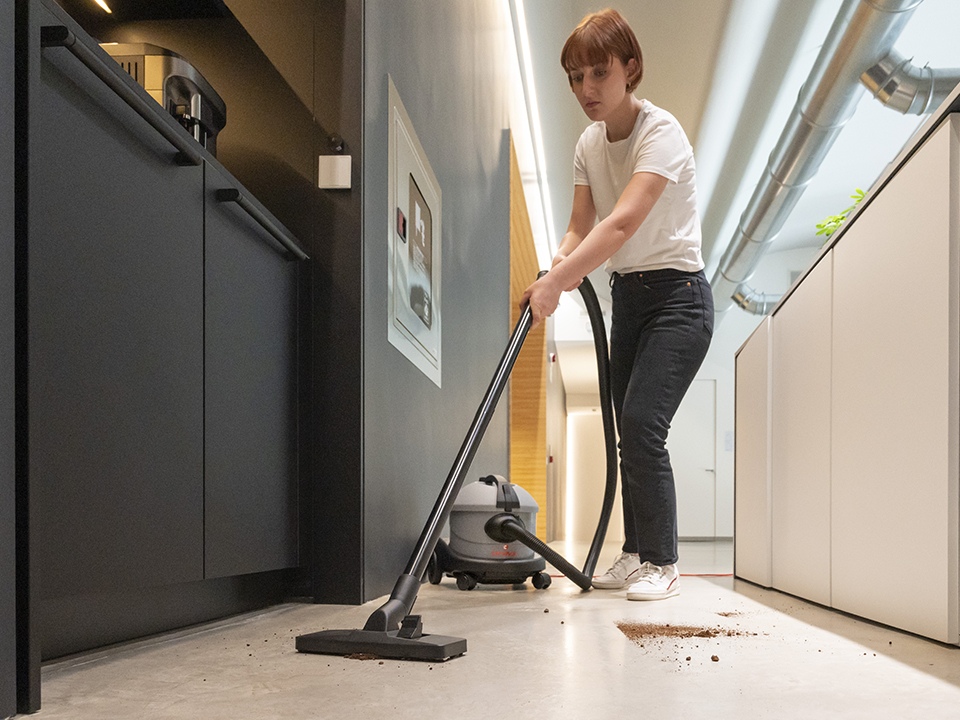
Difference between a professional vacuum cleaner, a domestic vacuum cleaner, and a wet & dry vacuum cleaner
Before diving into the seven most common vacuum issues, let’s start with the basics. Understanding the different types of vacuum cleaners is essential because choosing the right one ensures optimal performance.
- Professional Vacuum Cleaner: a powerful and durable machine designed for removing dust and debris in professional or industrial environments. Often referred to as a Dry vacuum cleaner, it is built for more professional and heavy-duty use.
- Domestic Vacuum Cleaner: the most commonly used vacuum for household and maintenance cleaning, designed to collect dust and small debris from surfaces like floors, carpets, and furniture.
- Wet & Dry Vacuum Cleaner: a specialized machine capable of vacuuming both liquids and dry debris. It is often used in industrial settings or for deep cleaning tasks, such as post-construction cleanup.
If you’d like to learn more about professional vacuum cleaners and how they work, check out our guide: Vacuum cleaner: what it is and how it works.
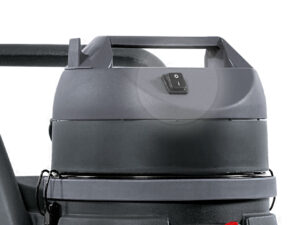
The vacuum cleaner won’t turn on
One of the most common issues when your vacuum cleaner is not working is that it simply won’t turn on. If you’re facing this problem, here’s what you should check:
- Inspect the power cord: make sure it’s properly plugged into the power outlet and check for any visible cuts or damage along the cord.
- Check the power switch: the vacuum cleaner’s main switch may be faulty. Try pressing it multiple times or testing it with a multimeter to ensure it’s working correctly.
- Test the power outlet: plug in another device to confirm that the outlet is functioning properly.
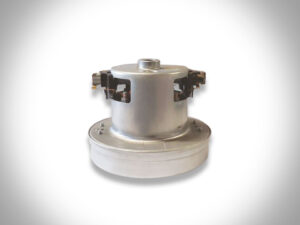
Why does my vacuum cleaner keep shutting down?
If your vacuum cleaner is not working properly, keeps shutting down or stops working frequently, the issue could be:
- Safety system activation: some professional vacuum cleaners have built-in protection systems that shut them down in case of overload or malfunction. Check the user manual to see if a reset is needed.
- Motor issues: overheating or a motor failure can cause the vacuum cleaner to stop unexpectedly. We recommend contacting a specialized service center to inspect the motor.
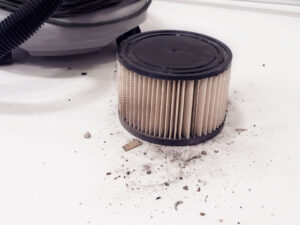
The vacuum cleaner has lost suction power
Over time, your vacuum cleaner may lose suction power compared to when it was new. If you notice a drop in performance, the most common causes could be:
- Clogged or dirty filter: remove the filter, clean it with compressed air, or wash it if it’s washable. Make sure it’s completely dry before reinstalling it.
- Blocked hoses: check for obstructions in the flexible or rigid hoses and remove any trapped debris.
- Worn-out seals: seals around the tank or lid can lose their grip over time, reducing pressure and suction power. Inspect them regularly and replace them if necessary to maintain an airtight seal.
- Overworked motor: after extended use, the vacuum motor may struggle to maintain power. If this happens, we recommend having it checked by a professional technician.
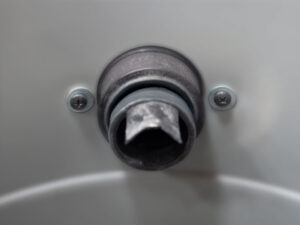
The vacuum cleaner vibrates and makes excessive noise
If your vacuum cleaner is not working quietly and vibrates excessively, here’s what you should check:
- Loose components: ensure that screws and joints are securely fastened. Regular maintenance can help prevent bigger issues.
- Dirty or damaged motor fan/turbine: dirt buildup or minor damage to the motor or turbine can cause vibrations. If the turbine needs cleaning, we recommend consulting a professional technician who can also assess if a replacement is necessary.
- Worn-out bearings: metallic noises or excessive vibrations may indicate damaged bearings. A professional technician should inspect and replace them if needed.
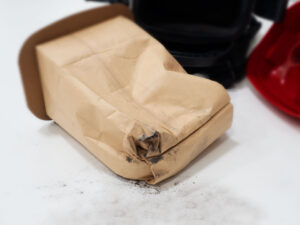
Why is my vacuum cleaner leaking dust?
If your vacuum cleaner is releasing dust while in operation, the possible causes could be:
- Damaged or incorrectly installed filter: ensure the filter is clean, in good condition, and properly positioned. If it’s damaged, replace it as soon as possible.
- Incorrect filter type: if you’re vacuuming fine dust, you need a specialized filter designed for this material to prevent dust from escaping.
- Cracks in the tank or hoses: even small cracks can compromise the vacuum’s seal. Inspect the tank and hoses for damage and repair or replace defective components as needed.
- Torn or punctured collection bag: check the bag for holes, and if necessary, replace it with a new one.
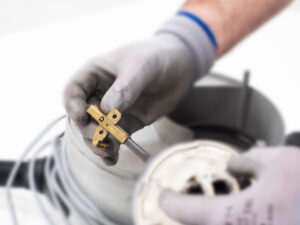
How to check the motor of the vacuum?
The motor is the heart of the vacuum, but it can also be the cause of malfunctions. To check its condition, listen for any unusual noises (such as squeaks, hums, or whistles), which could indicate an internal issue. Check the motor brushes, and if they are worn out, replace them following the manufacturer’s instructions or contact a specialized center.
Also, pay attention to possible burns or unusual odors: these signs could indicate a short circuit or overheating. In such cases, immediately turn off the vacuum, disconnect it from the power supply, and consult a specialized technician.
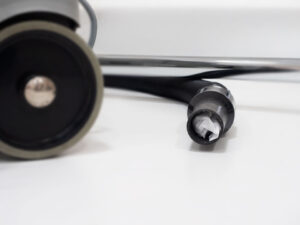
Why does my vacuum smell bad?
If your vacuum emits a bad odor during use, here are some possible causes and how to fix them:
- Dirty or clogged filter: a filter full of dust and dirt can cause unpleasant odors. Check the filter and, if necessary, clean or replace it.
- Residues inside the tank: make sure the tank is completely empty and clean after each use, especially if you’ve vacuumed liquids or organic materials. Regular cleaning of the tank with water and detergent helps remove any residues that can lead to odors.
- Dirty hoses or accessories: debris trapped in hoses or accessories can also be a source of bad smells. Check that these parts are clean and free from blockages.
- Overheated motor: if the odor smells like burning plastic, it could indicate an overheated motor or damaged internal components. In this case, stop using the vacuum immediately and contact a qualified technician for help.
How to maintain your vacuum
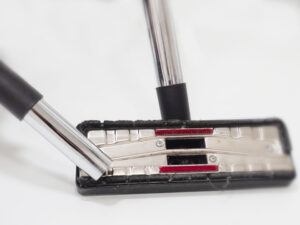
When dealing with a vacuum cleaner not working properly, it’s clear that proper maintenance is key to ensuring optimal efficiency and extending its lifespan. To help you keep your vacuum in top condition, here’s a list of essential maintenance steps:
- Filter cleaning: regularly check the filter for dirt and debris. If it’s excessively dirty or damaged, replace it to maintain peak performance.
- Tank inspection and cleaning: empty the tank after each use and clean it thoroughly to prevent unpleasant odors and dirt buildup.
- Hose and accessory check: make sure the hoses and accessories are free from blockages. Obstructions can reduce suction power and impact cleaning effectiveness.
- Seal and connection inspection: verify that seals and joints are intact and in good condition to prevent loss of suction power.
Investing just a few minutes in regular care and maintenance can help you avoid problems and expensive repairs down the line.
What is a vacuum made of?
To understand how a vacuum operates, it’s important to be familiar with its structure. The key components of a professional vacuum include the motor, filtration system, collection tank, and accessories—each playing a crucial role in delivering effective suction. Depending on the model and its specific purpose, vacuums may come with various features and technologies designed to optimize performance and enhance durability.
If you’d like to dive deeper into how a vacuum works and how each component contributes to the cleaning process, we recommend reading our detailed article: Vacuum cleaner: what it is and how it works.
How to recognize a professional vacuum
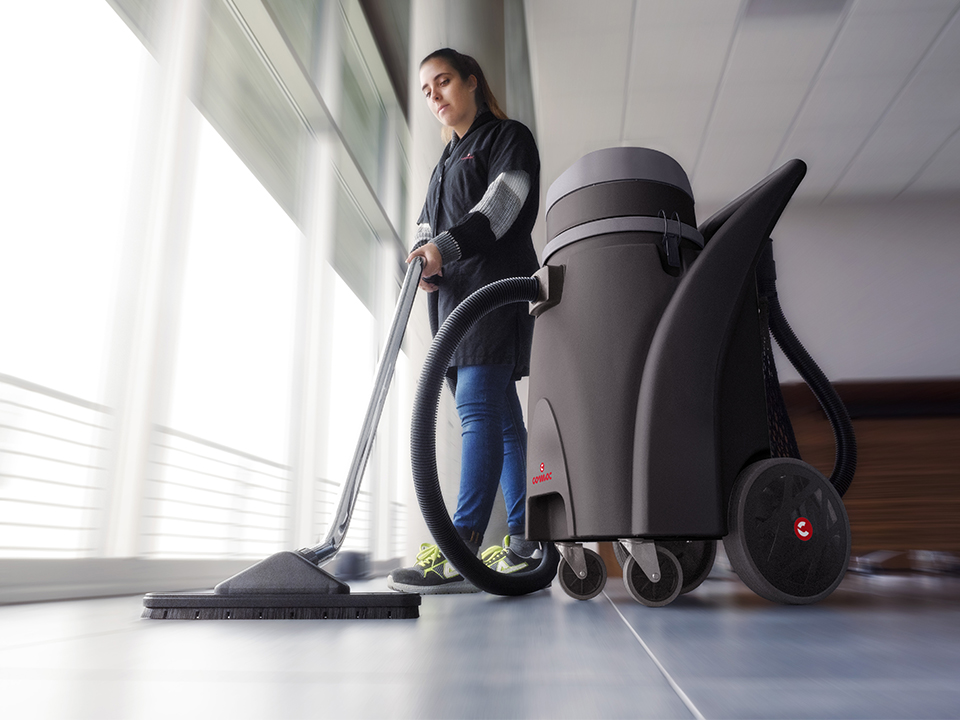
A professional vacuum stands out for its high performance, durable materials, and advanced filtration systems, which are essential for ensuring efficiency and safety in demanding work environments. Whether dealing with fine dust, liquids, or industrial residues, it’s crucial to choose a model that suits your specific needs.
Want to learn more about vacuums certified for hazardous environments? Check out our post on ATEX Industrial Vacuums. If you’re looking for the ideal professional vacuum for your business, discover Comac vacuums.
For more information or to request a quote, our network of authorized Comac distributors is at your service. Contact us to find the perfect professional cleaning solution for your needs!
Frequently asked questions about vacuum cleaner problems
Not always. Fine dust requires a suitable filtration system, as it can pass through inadequate filters, reduce the vacuum cleaner’s performance, and be released back into the environment. Before use, it is important to check the type of filter installed and choose a vacuum cleaner suitable for the material you need to collect.
Using a vacuum cleaner without a filter can damage the motor and compromise the quality of the air released back into the environment. The filter protects the internal components and retains dust and debris. For this reason, the vacuum cleaner should always be used with the correct filter, installed according to the manufacturer’s instructions.
The frequency depends on the type of dirt being collected and the intensity of use. In professional environments, it is advisable to check the filter regularly, especially after vacuuming fine dust, heavy residues, or materials that can quickly clog the filtration system.
It depends on the condition of the filter and the type of filter installed. If the filter is washable and not damaged, it can be cleaned following the manufacturer’s instructions. If it is deformed, worn, punctured, or no longer ensures good suction power, it should be replaced.
No. Liquids should only be collected with a vacuum cleaner suitable for liquid suction or with a wet & dry vacuum cleaner. Using a vacuum cleaner that is not designed for this application can damage the electrical components and compromise operator safety.
This post is also available in:


