

Choosing a hot pressure washer means investing in high performance and professional cleaning results. But how can you maximize this investment? The secret lies in a parameter that is often underestimated: pressure, measured in bar. This value determines whether you are cleaning precisely or simply wasting water and energy, even risking irreparable damage. In this guide, we’ll explore how to assess the ideal pressure for a hot pressure washer, helping you select not the most powerful machine, but the one best suited to your real needs, ensuring safety, efficiency, and maximizing your return on investment.
Table of contents
- Hot water and cold water pressure washers: what’s the difference?
- How a hot pressure washer works
- Advantages of a hot pressure washer
- Where to use a hot water pressure washer: main applications
- How to choose the right hot pressure washer: Comac tips
- Comac hot pressure washers
- Frequently asked questions
Hot water and cold water pressure washers: what’s the difference
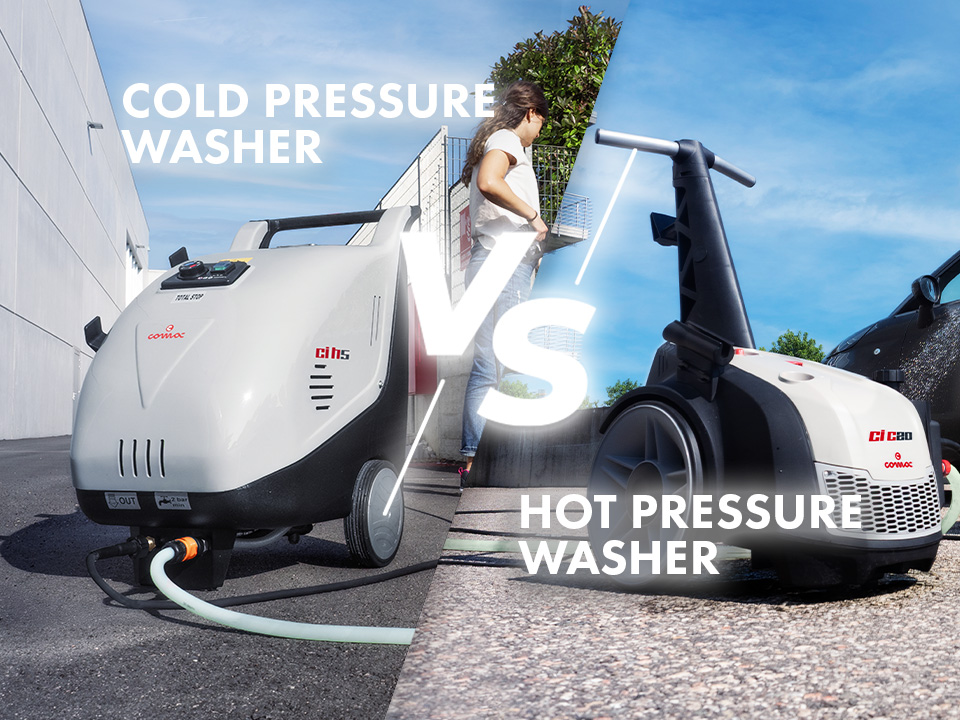
The effectiveness of a cold pressure washer is undeniable in many settings, both domestic and professional. Its mechanical power, enhanced using specific detergents, makes it a versatile and effective tool for cleaning all types of surfaces.
However, there is a category of dirt where pressure alone reaches its limit: water-insoluble dirt. This includes industrial grease, engine oils, carbonized residues, and stubborn deposits that adhere to surfaces at a molecular level. In these cases, attempting to clean with cold water is like trying to wash a very greasy pan without hot water: a frustrating operation that produces no results. This is where the thermal power of hot water comes into play.
Comac hot water pressure washers are equipped with an integrated boiler, designed to raise the water temperature before it reaches the nozzle. This system offers two key strategic advantages:
- Superior degreasing power: Heat reduces the viscosity of oils and fats, breaking the bonds that hold them to surfaces. This allows for complete and faster removal compared to cold pressure washers.
- Quick drying: Surfaces treated with hot water dry rapidly, which is essential in professional environments where minimizing downtime is crucial. This increases productivity while reducing the risk of accidents.
This combination of degreasing action and rapid drying makes Comac hot pressure washers the ideal solution for the most demanding sectors, from mechanical to food industries, logistics, and agriculture.
But what technically makes a hot pressure washer so effective? Let’s take a closer look at how it works to understand the technology behind its extraordinary efficiency.
How a hot pressure washer works
A hot pressure washer is a high-pressure machine that combines the mechanical action of water with the cleaning power of heat. The combination of water pressure and heat allows it to easily remove stubborn dirt, grease, oils, and residues that are difficult to eliminate with cold water alone.
The operation of a hot pressure washer is straightforward: water from the mains enters the machine through the connection hose and is directed to the high-pressure pump, powered by a motor that brings it to the necessary pressure for cleaning tasks. The combination of pressure and flow generates a mechanical force capable of detaching dirt, dust, and residues from surfaces.
Once pressurized, the water passes through an integrated boiler with a coil. In this system, a burner powered by electricity, diesel, or gas produces the heat necessary to rapidly raise the water temperature.
The water heating occurs continuously throughout the operation, ensuring a constant supply of hot, high-pressure water. The pressurized hot water is then directed to the lance and nozzle, which control the intensity and spread of the jet. Depending on the application, specific nozzles can be used to achieve jets suitable for cleaning different surfaces.
Advantages of a hot pressure washer
There are numerous benefits to using a hot pressure washer. Let’s go through some of the main ones:
Disinfecting action
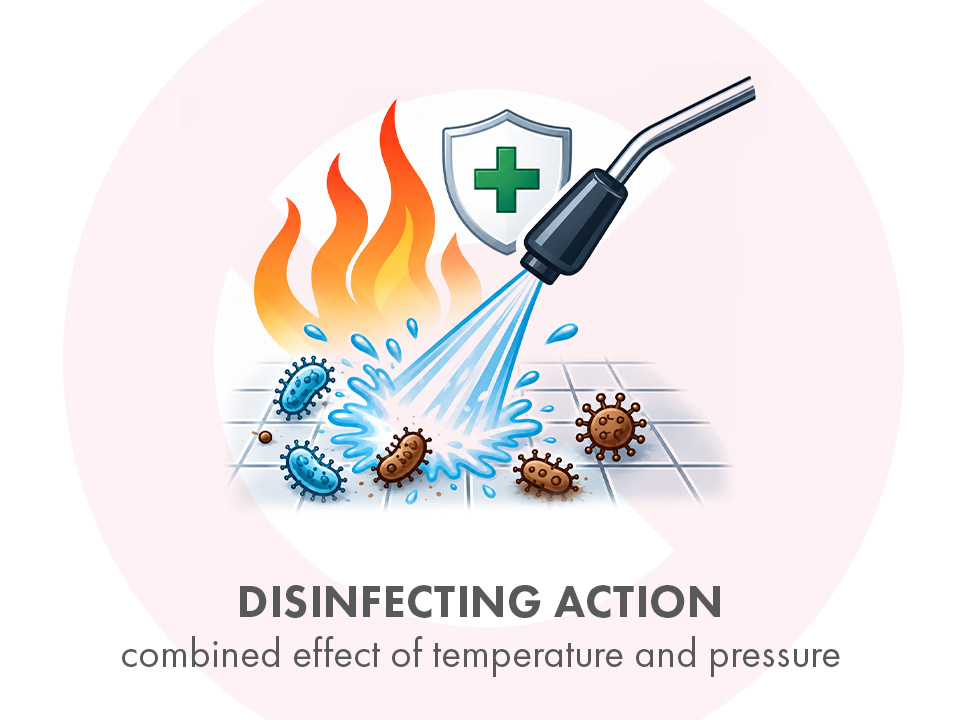
Using a hot pressure washer can help improve surface hygiene thanks to the combination of high temperature, water pressure, and dirt removal. Heat can help reduce the presence of certain microorganisms, while the mechanical action of pressure removes organic residues, grease, and contaminants that may promote the growth of bacteria, viruses, and fungi. It is important to remember that the disinfecting action of hot water depends on several factors, such as the surface temperature reached, contact time, and the type of dirt present. For this reason, a hot pressure washer is a valuable tool for increasing cleaning and hygiene levels but does not replace specific disinfection procedures when required.
Superior dirt removal
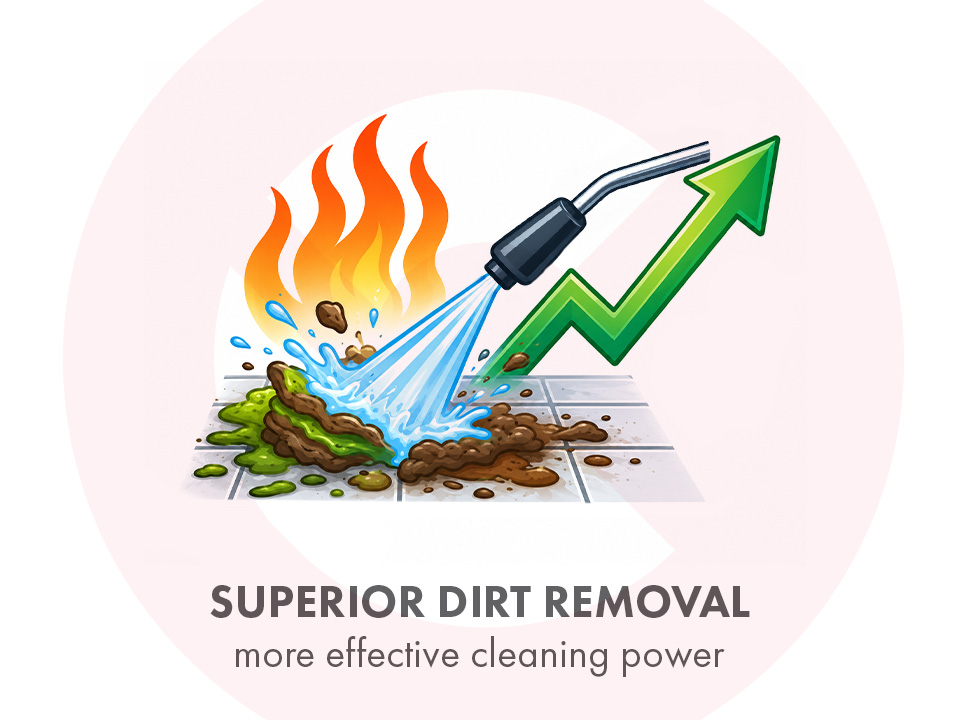
Hot water removes dirt more effectively than cold water because the heat affects the physical and chemical properties of the substances that make up the dirt, particularly fats and oils. For organic and oily substances, hot water helps reduce viscosity, making them more fluid. Combined with the mechanical action of pressure, this makes it easier to detach dirt from surfaces.
Less time and fewer detergents
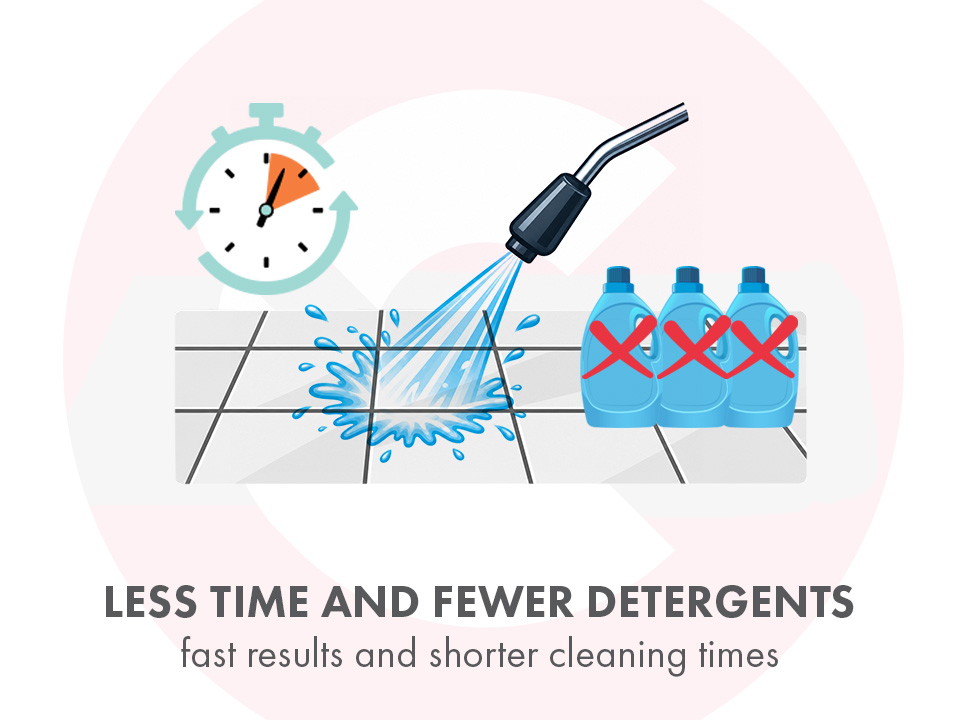
Using a hot pressure washer right from the beginning of the cleaning process allows you to remove dirt and residues efficiently without relying on detergents. The combination of heat and pressure facilitates dirt removal, significantly reducing the amount of chemical products needed. Compared to traditional washing, which would require repeated passes over the same surface, a hot pressure washer acts with direct mechanical action, ensuring fast results and shorter cleaning times.
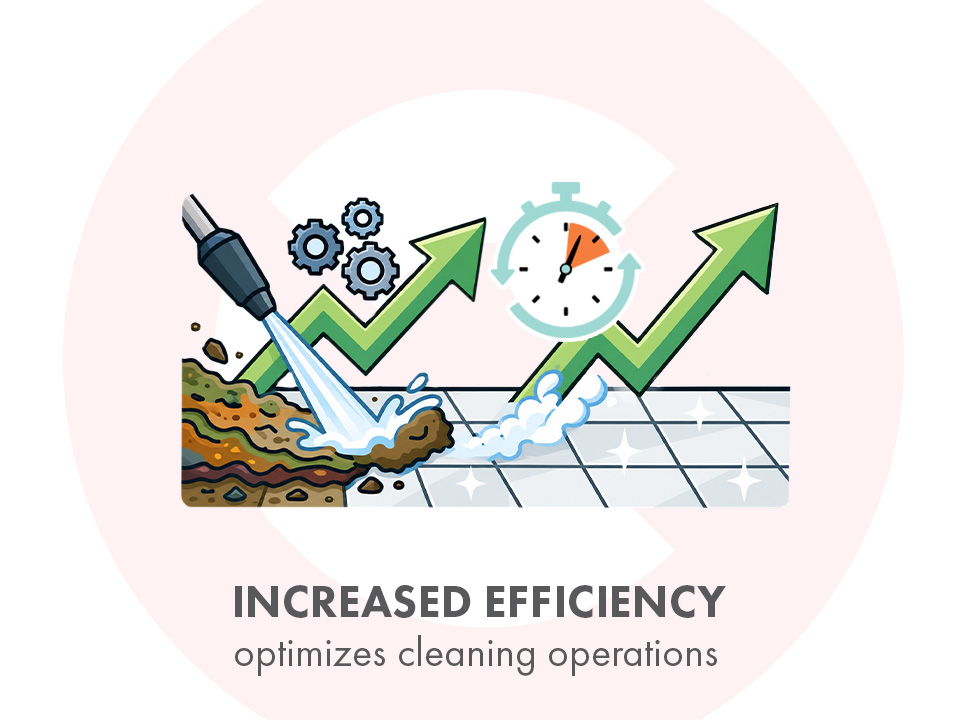
Increased efficiency
The combined action of heat and high-water pressure optimizes cleaning operations, significantly reducing the operator’s effort while improving the quality of the result. Using hot water also speeds up surface drying, preventing puddles and minimizing the risk of accidents.
Where to use a hot water pressure washer: main applications
The hot pressure washer is recommended in all contexts where it is necessary to tackle stubborn dirt, grease, oils, and organic residues, while ensuring high hygiene standards and fast operation. In industrial and professional settings, the hot pressure washer is widely used in mechanical workshops, car repair shops, and production plants, all environments where the presence of grease, oil, and encrusted dirt requires high-performance tools.
In the agricultural sector, this type of machine is particularly useful for cleaning tractors, equipment, and surfaces exposed to mud and organic residues. In the food and healthcare industries, such as industrial kitchens, hospitals, clinics, and laboratories, the hot pressure washer is an essential tool to reduce the bacterial load on treated surfaces.
This machine is also the ideal choice for washing car exteriors, cleaning industrial vehicles, and maintaining all outdoor work areas, yards, and parking lots.
How to choose the right hot pressure washer: Comac’s advice
Choosing the most suitable hot pressure washer does not mean relying solely on the machine’s power; it is necessary to create a perfect balance between operational needs and performance. To guide you in this important strategic choice, 5 factors should be considered:
1 – The core of performance: Pressure (bar) and Flow rate (l/h)
Pressure and flow rate are two closely related parameters that determine the effectiveness of a pressure washer. To evaluate the machine’s performance, it is essential to consider them together:
- Pressure (bar): the force with which water hits the surface, essential for “breaking” and removing the most stubborn and encrusted dirt.
- Flow rate (l/h): the amount of water delivered, crucial for “washing away” and removing residues detached by the pressure.
For intensive operations, such as cleaning construction machinery, vehicle fleets, or industrial floors, a pressure above 150 bar combined with a high flow rate ensures fast and effective work.
2 – The secret weapon: water temperature
Hot water is one of the main factors that determine the effectiveness of a professional pressure washer. Thanks to its high degreasing power, it can quickly dissolve the most stubborn residues, significantly improving cleaning performance compared to cold-water models.
When choosing a professional hot pressure washer, it is essential to check the maximum achievable temperature and the machine’s ability to maintain it steadily during operation, as these aspects directly affect its efficiency in removing the toughest dirt.
3 – Operational flexibility: power supply type
The work environment is the key factor in determining the choice of power supply:
- Diesel: ideal for intensive professional applications, construction sites, and outdoor areas, providing high autonomy and maximum performance even without electrical connections.
- Electric: lighter, compact, and quieter, perfect for indoor use or in contexts where emissions must be minimized, such as food industries or enclosed workshops.
4 – Tailored versatility: accessory kit
The performance of a hot pressure washer can be further enhanced with the right accessories. More than just optional extras, these are tools to adapt the machine to different cleaning applications. Elements such as variable-jet nozzles, rotating heads for aggressive dirt, sandblasting probes, or telescopic lances not only make the pressure washer more versatile but also improve safety and performance.
5 – Smart investment: reliability and total cost of ownership
When purchasing a professional hot pressure washer, the initial price represents only part of the investment. To correctly evaluate the total cost of ownership, it is necessary to also consider:
- Brand reliability: the robustness of components and build quality directly affects the machine’s lifespan and reduces downtime.
- Service network and spare parts: being able to rely on efficient after-sales support and quick availability of spare parts is essential to ensure operational continuity and minimize downtime.
Investing in a high-quality hot pressure washer means benefiting from greater efficiency, consistent performance over time, lower maintenance costs, and longer machine life. An investment that translates into tangible returns through reduced working times, improved cleaning results, and optimized operating costs. Explore all Comac hot pressure washers to find the model that best suits your needs.
Comac hot pressure washers
Comac hot pressure washers are designed to tackle the most demanding cleaning challenges, making them ideal for frequent use where power and high performance are required. These machines combine high pressure, efficiency, and maneuverability, guaranteeing flawless results in any environment.
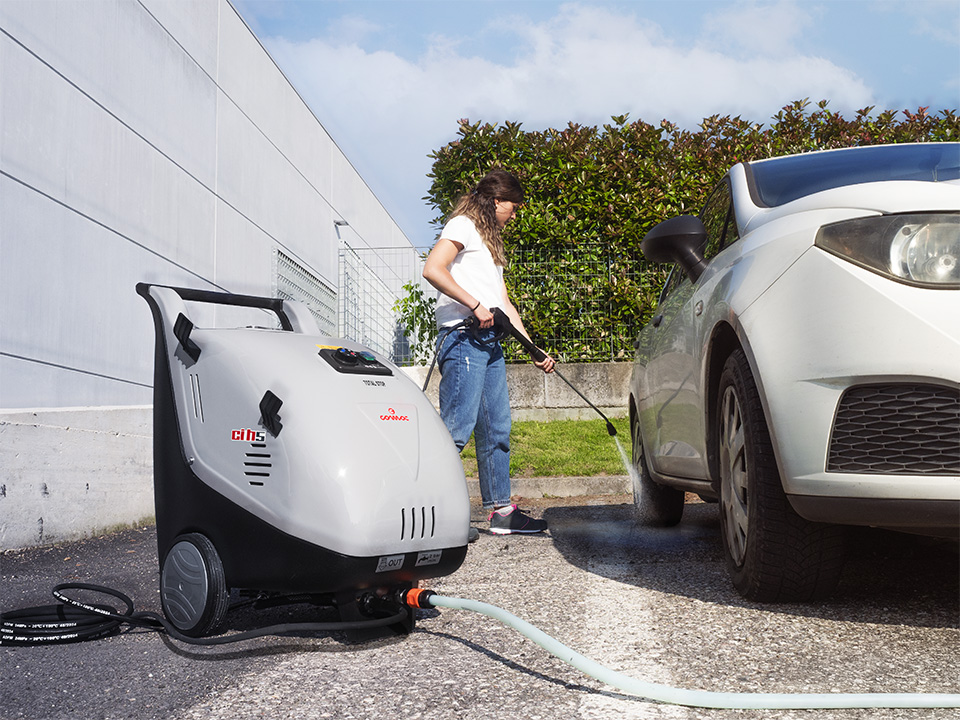
CI H5
The CI H5 is the most compact hot pressure washer in the Comac range, ideal for those seeking reliable performance in a compact and easy-to-use solution. Equipped with a single-phase induction electric motor with thermal protection, it ensures continuity and efficiency even during frequent and demanding cleaning cycles. The vertical boiler with a double coil guarantees rapid and constant heating, while the three-piston axial stainless-steel pump and brass head provide high performance and long-lasting durability. Perfect for washing car exteriors or cleaning small to medium-sized areas.
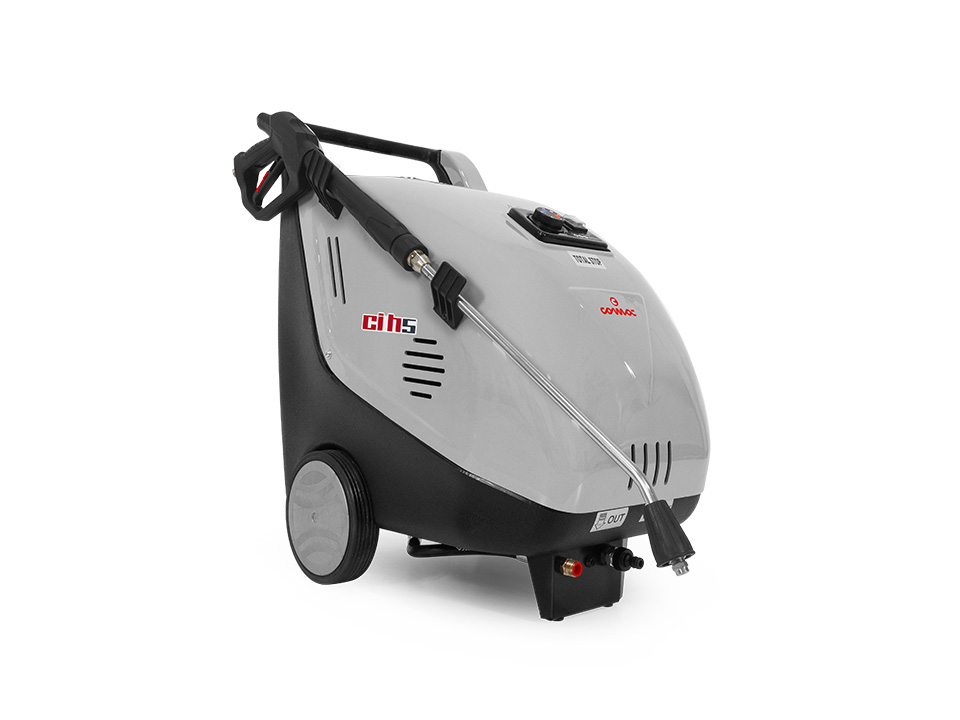
CI H20 EM INOX
The CI H20 EM INOX is a professional hot pressure washer designed to deliver high cleaning performance even in the most challenging situations. Equipped with a robust stainless steel body and a powerful single-phase electric motor with magnetothermic protection, it offers reliability, resistance, and continuous operation.
Thanks to the high-efficiency stainless steel boiler powered by diesel, the CI H20 EM INOX can deliver water up to 150°C, ensuring high degreasing capacity and effective removal of oils, grease, and stubborn dirt. Recommended for industrial, automotive, and transport sector use.
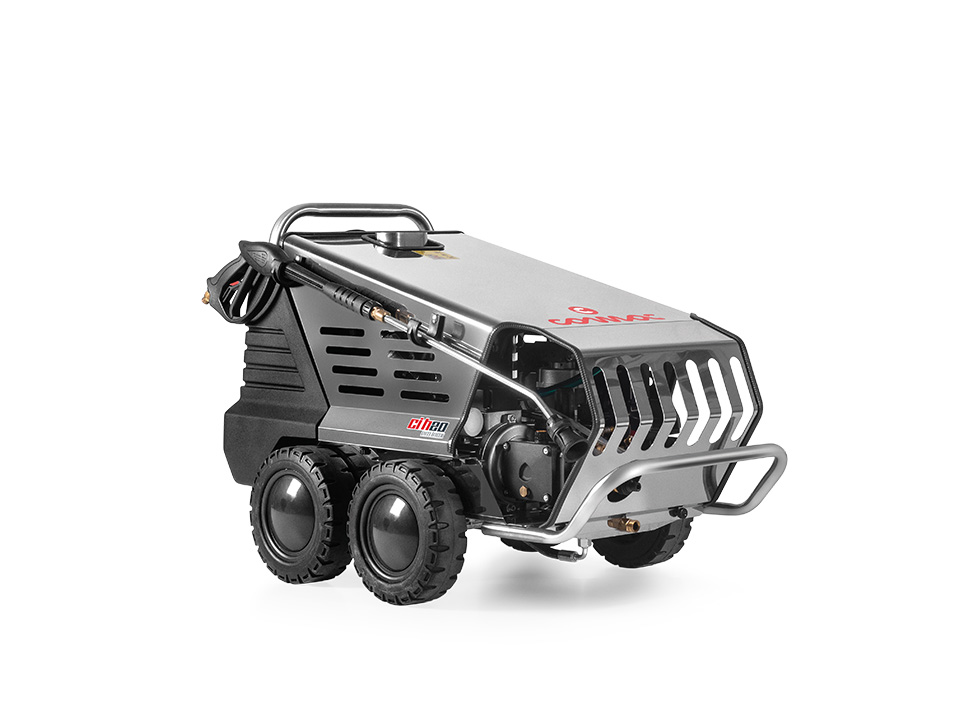
CI H50
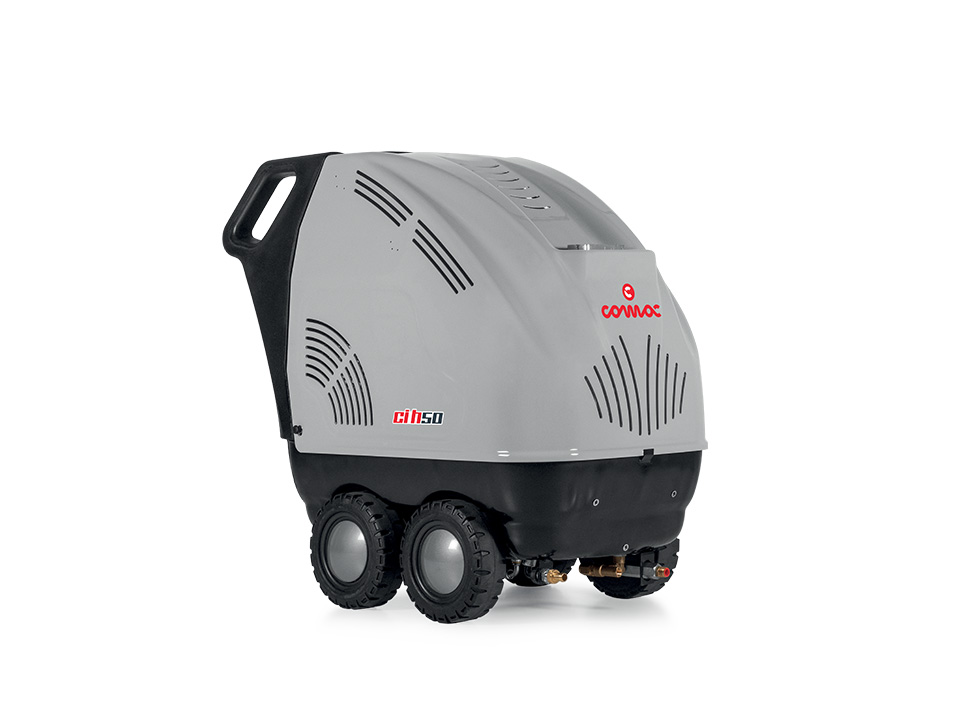
The CI H50 is a professional hot pressure washer designed to handle the most demanding cleaning and sanitizing operations. With high flow rate, consistent performance, and advanced technology, it is the ideal solution for frequent and intensive use in industrial, artisanal, automotive, and transport sectors. Equipped with a powerful three-phase electric motor with thermal protection and a ceramic three-piston pump with crank system and brass head, the CI H50 ensures reliability, durability, and maximum operational efficiency. The vertical boiler with a double coil can deliver water up to 150°C, effectively removing even the most stubborn dirt.
Frequently asked questions
When using a hot pressure washer, it is essential to adopt some simple safety measures. Before use, check that the machine is in good condition and wear personal protective equipment such as gloves and non-slip shoes. During operation, keep the surrounding area clear and never direct the jet towards people or animals, as high-pressure hot water can cause injuries.
Attention must also be paid to electrical connections and the pressure and temperature must be suitable for the surface being cleaned. After use, the machine must be properly turned off and undergo regular maintenance to ensure efficiency and safety over time.
The consumption of a hot pressure washer mainly depends on the motor’s power and the water temperature used. The higher the power, the greater the electricity consumption during use. In addition to electricity, water consumption must also be considered, which varies according to pressure and nozzle type. If the pressure washer runs on diesel or gasoline, fuel costs and operation duration must also be considered.
Routine maintenance operations include checking hoses, fittings, and electrical cables to ensure they are not damaged. To ensure correct operation, filters should be cleaned to prevent blockages, and nozzles and the gun checked to ensure they are unobstructed. Circuits should be emptied and water allowed to cool inside the machine. Finally, the exterior should be cleaned and the machine stored in a dry place after use.
In case of malfunction or after a certain number of uses, extraordinary maintenance such as replacing seals, pumps, and worn valves, as well as checking and, if necessary, replacing engine parts, is recommended. Following these guidelines significantly reduces the risk of breakdowns, prolongs machine life, and maintains consistent performance.
This post is also available in:


