

A vehicle’s condition says a lot about its value. While cleaning and sanitizing the interior is important for the health and comfort of the driver, the car exterior is what creates the first visual impression. However, washing a car exterior properly goes far beyond simple aesthetics.
Exterior car washing is also an important form of preventive maintenance. Smog, fine dust, organic residues, tree resin and road salt are not just surface dirt: over time, they can damage paintwork, chrome details and plastic components. Neglecting these contaminants may lead to permanent damage and reduce the vehicle’s value.
For this reason, understanding how to wash a car exterior correctly means following a careful and methodical approach. Let’s take a closer look at the techniques and best practices that can turn exterior car washing from a simple routine into a real vehicle protection treatment.
Table of contents
- What to consider before washing your car
- Exterior car body washing
- Exterior components: washing guide
- How to polish car paintwork
- Washing a car exterior with a pressure washer: how to choose the right one
- The best Comac pressure washers for car washing
- How to achieve more effective exterior car washing
- Frequently asked questions
What to consider before washing your car
Before getting started, a professional car wash requires careful planning. Three factors are essential for achieving effective results while protecting the bodywork: the type of dirt, safe working conditions and the right tools and products.
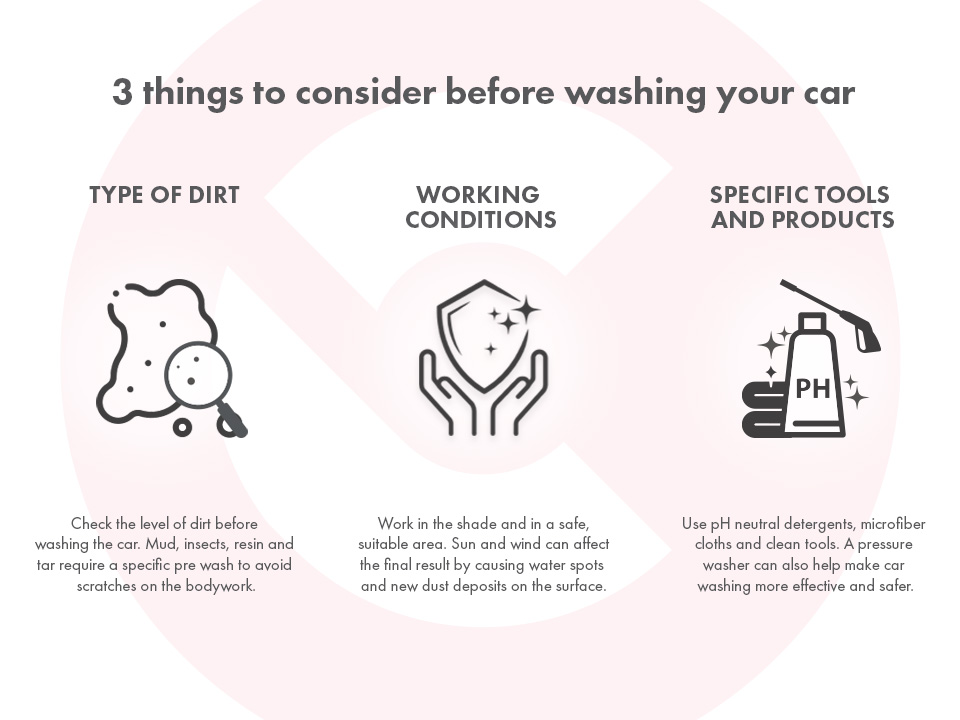
1. Identify the type of dirt
To clean a car exterior properly, it is important to evaluate the type of dirt on the bodywork. Dust and light residues can be removed easily, while mud, insects, resin and tar require a more targeted treatment.
When dealing with stubborn dirt, pre washing the car is essential. It helps soften residues and prevents them from being dragged across the surface during exterior car washing, reducing the risk of scratches, especially on dark paintwork.
2. Work in safe conditions
To wash a car exterior properly, choose a private, suitable and safe area, in compliance with environmental regulations that often prohibit car washing on public roads.
Always work away from direct sunlight and wind. Sunlight speeds up the evaporation of water and detergents, causing water spots on the bodywork, while wind can affect the final result by depositing new dust on the surface during the car wash.
3. Use specific tools and products
The golden rule is simple: contamination is the number one enemy of the bodywork. Every tool must be perfectly clean and, to wash a car exterior more effectively, using a pressure washer can also be helpful. Basic professional equipment includes:
- pH neutral detergent, designed not to damage waxes or protective coatings.
- High quality microfiber gloves and cloths to trap dirt without scratching the surface.
- Separate buckets for clean water and rinsing water (the two bucket method).
- Specific products for cleaning windows, plastic parts and wheels, formulated to work effectively on different materials without damaging them.
With the right tools, exterior car washing becomes safer and more effective on every surface.
Exterior car body washing
When it comes to understanding how to wash a car exterior, the process involves much more than simply removing dirt. It is divided into three key stages — cleaning, drying and paint protection — each essential for achieving a long lasting and professional result.
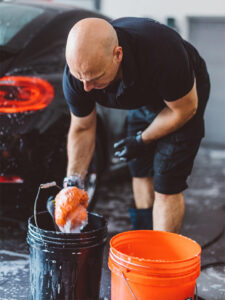
Phase 1: controlled bodywork cleaning. The washing stage is the most delicate part of the process, especially when stubborn dirt residues are present. To reduce the risk of micro scratches (swirls) on the paintwork, we recommend using the “two bucket method”: one bucket with water and pH neutral detergent, and another dedicated to rinsing the microfiber glove after cleaning each panel. This method prevents dirt from returning to the bodywork. For even more effective cleaning, especially in the presence of mud or heavier contamination, using a pressure washer helps remove surface dirt before any manual contact with the car body. If a waterless wash is preferred, it is important to use a clean microfiber cloth for each section of the vehicle.
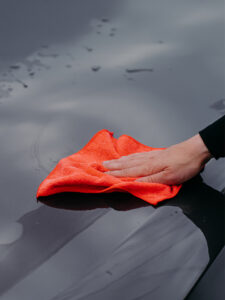
Phase 2: drying, the secret to a perfect finish. Incorrect drying can ruin all the work done during the wash. This step should always be carried out in the shade to prevent water spots and limescale marks from forming on the bodywork. Today, the preferred tool is no longer a chamois cloth, but a high absorbency waffle weave microfiber cloth specifically designed for drying. The correct technique is to gently dab the surface or glide the cloth over it without applying pressure, allowing the fibers to absorb the water. Rubbing aggressively is the mistake to avoid.
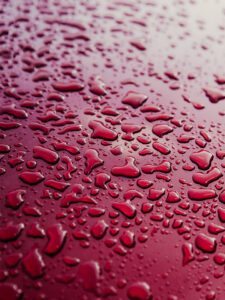
Phase 3: protection, the finishing touch of professional car care. Applying wax is not optional, but the step that turns a simple car wash into a true detailing treatment. Wax does not only enhance shine, but also creates a hydrophobic protective layer that helps defend the paintwork from weather conditions and UV rays while making future washes easier. It is essential to carefully follow the instructions of the chosen product and apply it using a dedicated applicator. Polishing, on the other hand, is a more advanced corrective process that should only be carried out with the proper experience and equipment.
Exterior components: washing guide
When washing a car exterior, it is important not to focus only on the bodywork. Some exterior components require specific care and dedicated products to achieve thorough cleaning without damaging the surfaces.
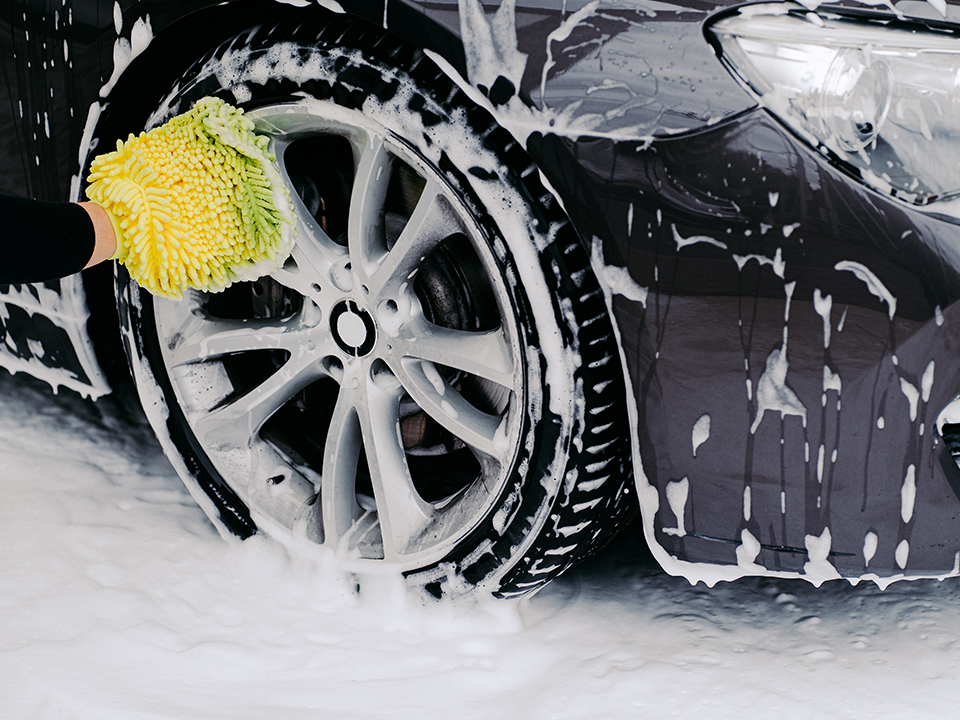
Alloy wheels
Alloy wheels easily collect brake dust and road debris. To clean them without damaging the finish, it is recommended to use specific detergents and non abrasive tools. A pressure washer can also help remove surface dirt, even from hard to reach areas.
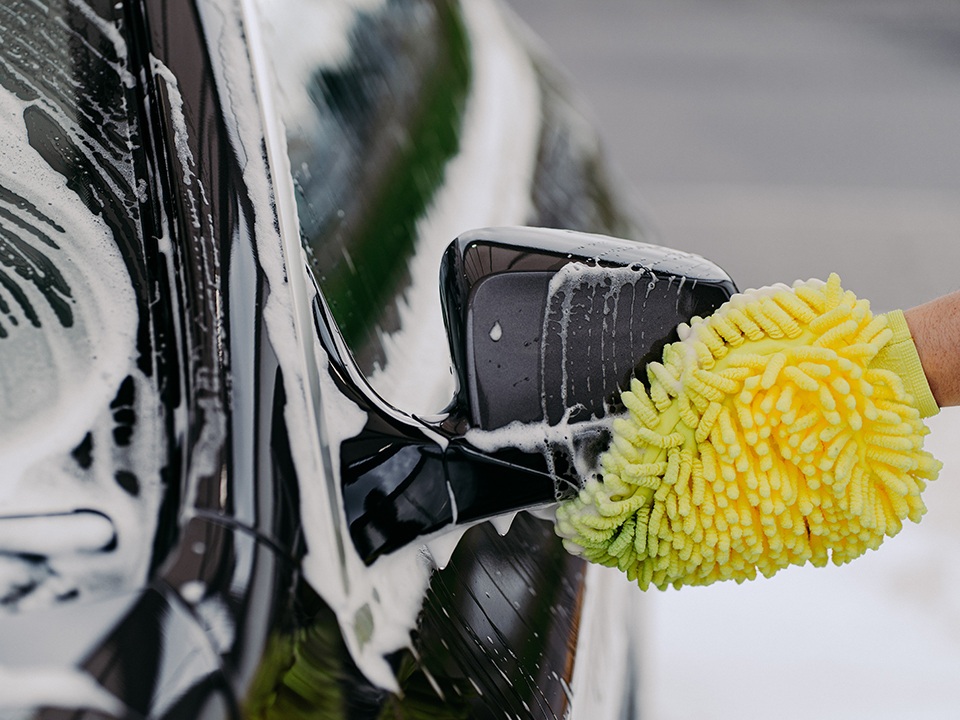
Side mirrors
When washing a car, side mirrors also deserve attention. Dust, water spots and dirt tend to accumulate easily on glass and exterior plastic surfaces. To clean them properly, simply use a soft microfiber cloth and dry the surface carefully to avoid streaks.
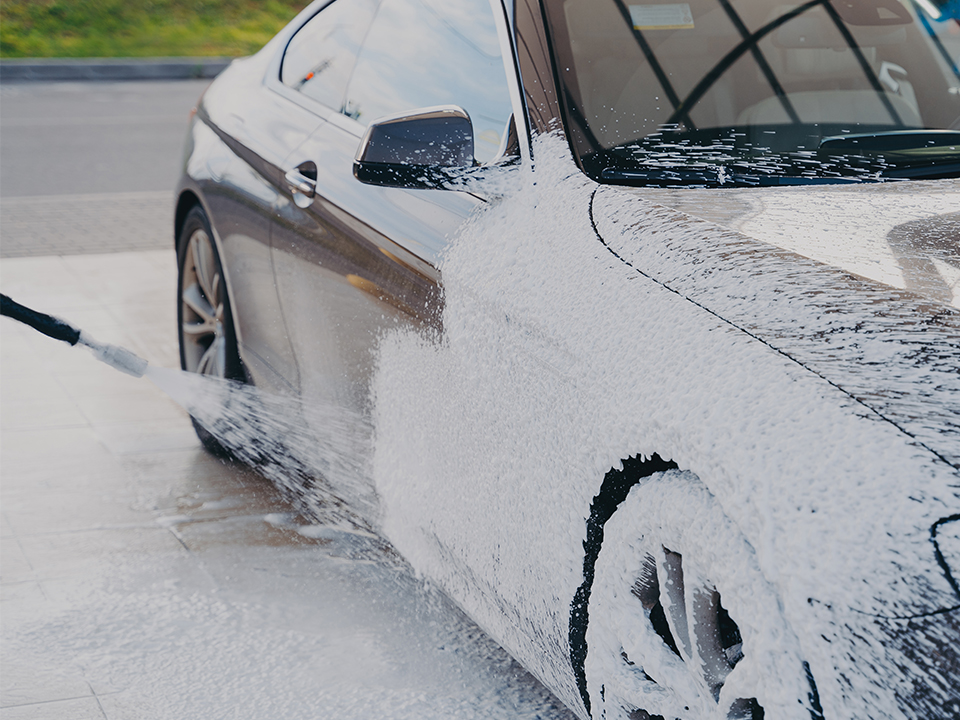
Car underbody
The car underbody is one of the areas most exposed to dirt, especially during winter or after driving on wet or unpaved roads. Mud, road salt and debris tend to accumulate underneath the vehicle. For this reason, regular cleaning is recommended, ideally using a pressure washer to remove stubborn dirt more effectively.
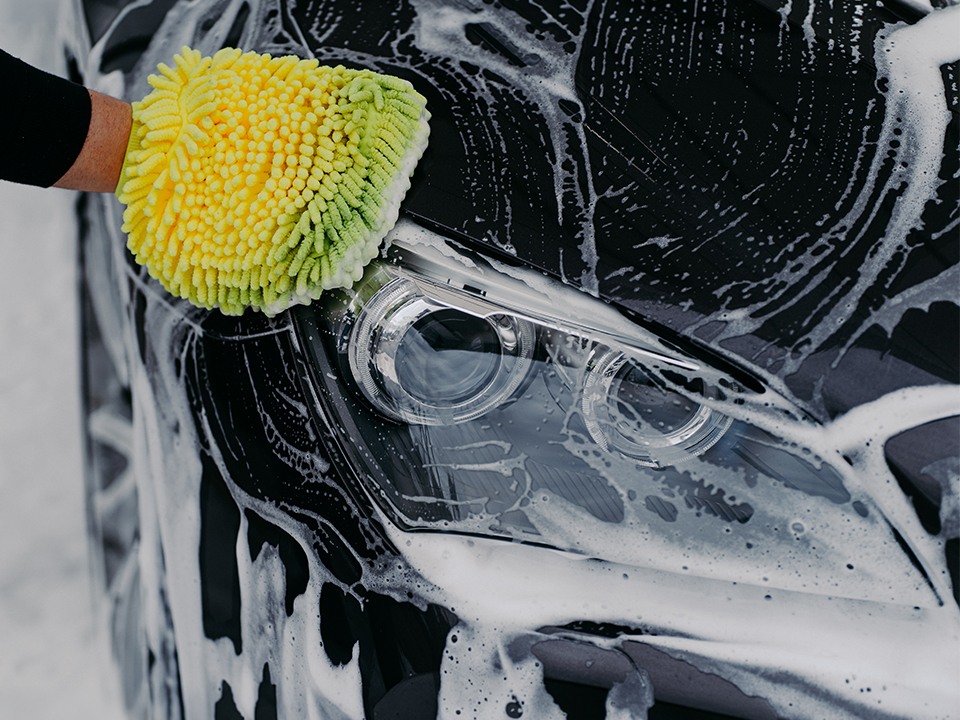
Headlights
Headlights should also be cleaned regularly. Dirt, dust and surface haze can reduce lighting performance and worsen visibility while driving. To clean them properly, simply use gentle detergents and a soft cloth, avoiding abrasive products or sponges that could scratch the surface.
How to polish car paintwork
After washing and drying the car, polishing is the final step to enhance the appearance of the bodywork. If the paint looks dull or lacks shine, a light polishing treatment can be carried out using a specific polish applied with gentle circular movements, then removing the excess product with a microfiber cloth.
The final step to complete the treatment is applying a protective wax layer. In addition to improving the shine of the bodywork, wax helps protect the surface from dirt, rain and UV rays, while also making future car washes easier.
Washing a car exterior with a pressure washer: how to choose the right one
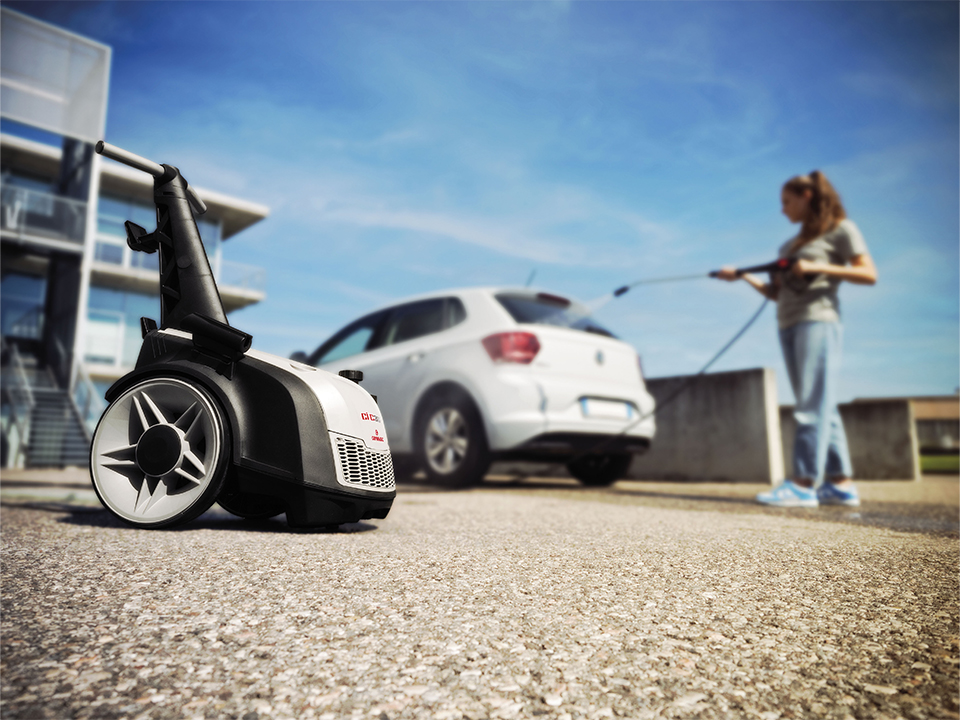
Using a pressure washer to wash a car exterior helps remove dirt, mud and road debris more quickly, making the washing process more practical and effective. Choosing the right model mainly depends on how often it will be used and on the level of dirt that needs to be removed.
If you would like to learn more about how a pressure washer works and its main features, you can also read this guide on how a pressure washer works.
Cold water pressure washers
Cold water pressure washers are the most commonly used solution for exterior car washing. They are suitable for cleaning the bodywork, wheels and exterior surfaces when dirt is not particularly stubborn. They allow fast and effective cleaning, easily removing dust, mud and surface debris.
Hot water pressure washers
Hot water pressure washers are particularly suitable for car washes and for removing stubborn dirt, grease residues and difficult build ups. Using hot water helps dissolve dirt more quickly, making car washing more effective while also reducing cleaning time and detergent consumption. They are widely used in professional environments, for example for the frequent washing of cars, vans and trucks exposed to heavy dirt and demanding cleaning conditions.
The best Comac pressure washers for car washing
To achieve faster and more effective exterior car washing, choosing the right pressure washer can make all the difference. The Comac pressure washer range includes both cold water and hot water solutions designed for different cleaning needs, from occasional car and motorcycle washing to more intensive professional use and car wash applications.
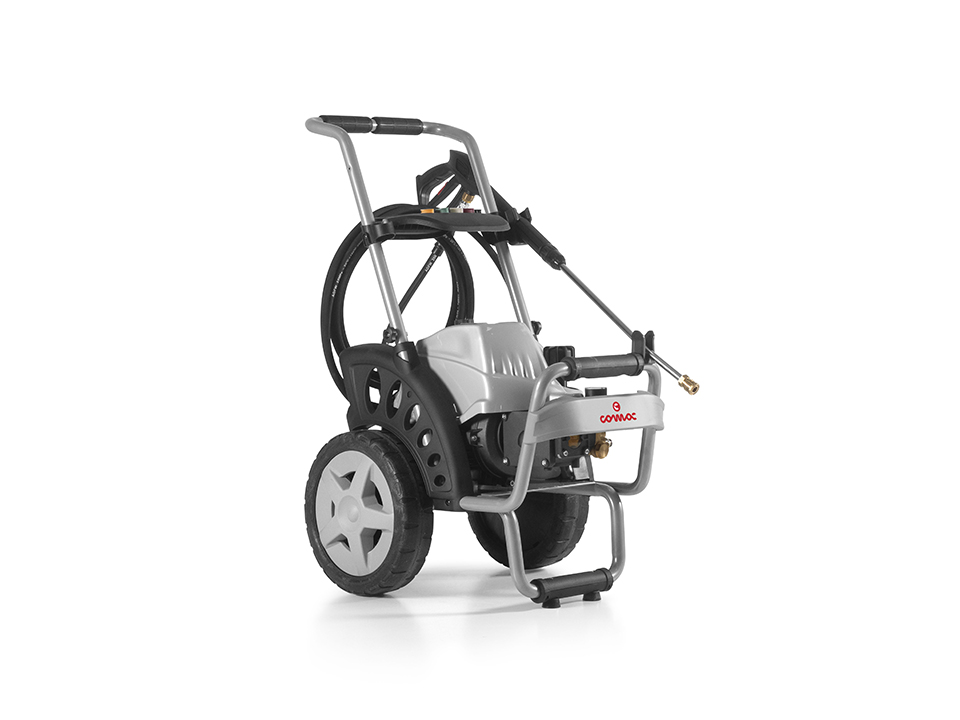
CI C20 EM
For those looking for a professional pressure washer that is both practical and high performing, CI C20 EM is a versatile solution for exterior car washing. Compact, robust and easy to move thanks to its trolley with large rear wheels and ergonomic handle, this cold water pressure washer is designed to tackle even stubborn dirt. Its performance makes it particularly suitable for frequent and prolonged washing operations, both in the automotive sector and in professional environments where efficiency and reliability are essential.
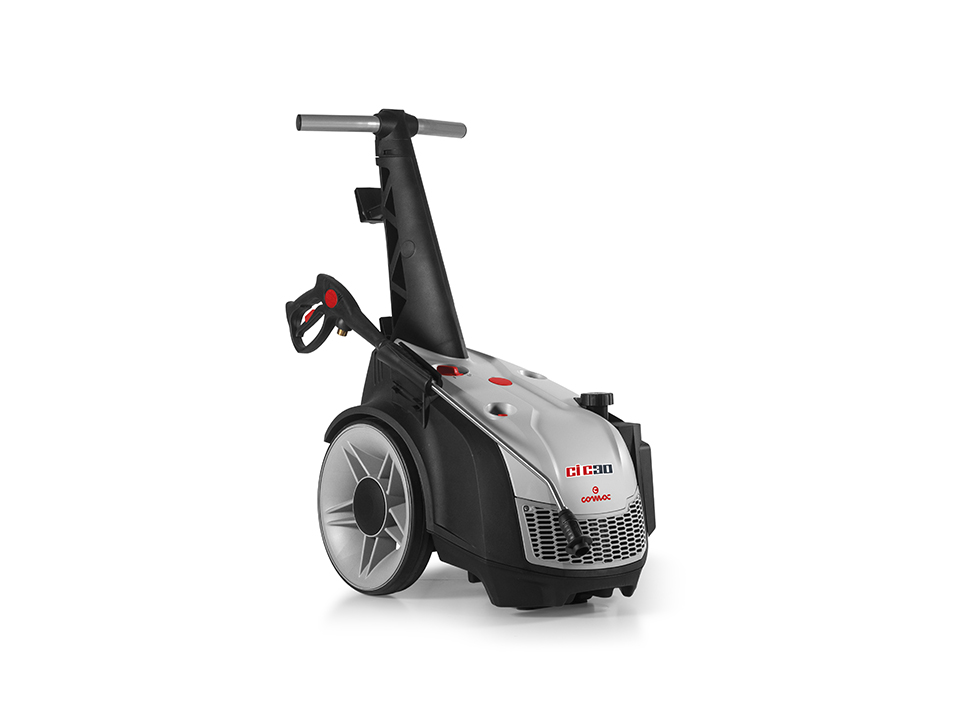
CI C30
CI C30 is a professional cold water pressure washer designed for those looking for a high performance solution to clean a car exterior quickly and effectively. Compact and easy to maneuver, it can easily handle even stubborn dirt on bodywork, wheels and exterior vehicle surfaces. Thanks to its high performance and ease of use, it is an ideal solution for frequent exterior car washing, delivering accurate results even during more thorough cleaning operations.
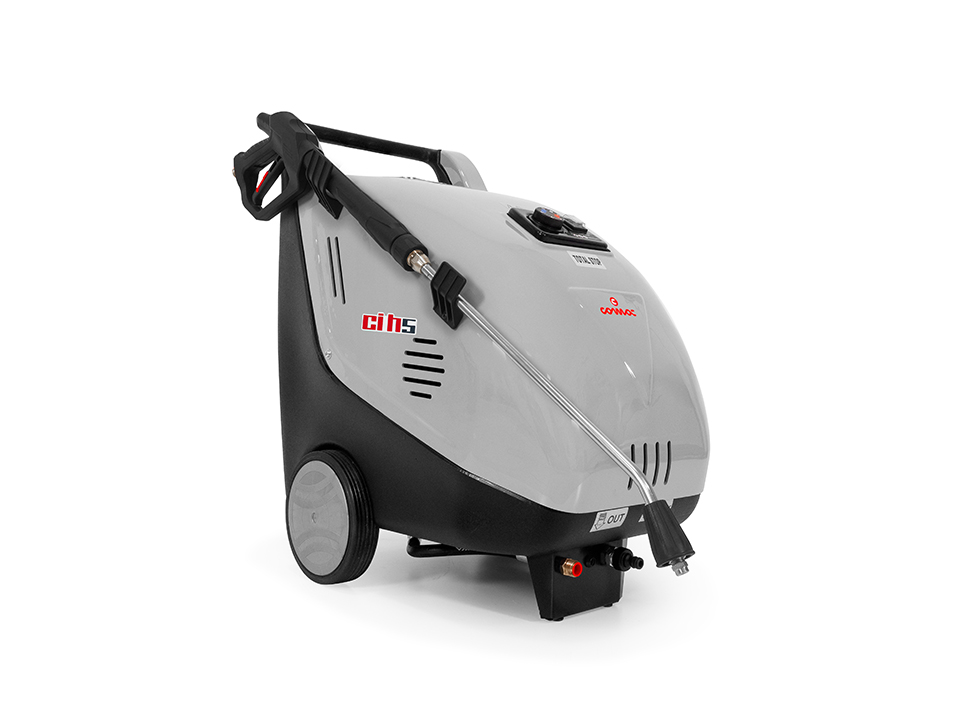
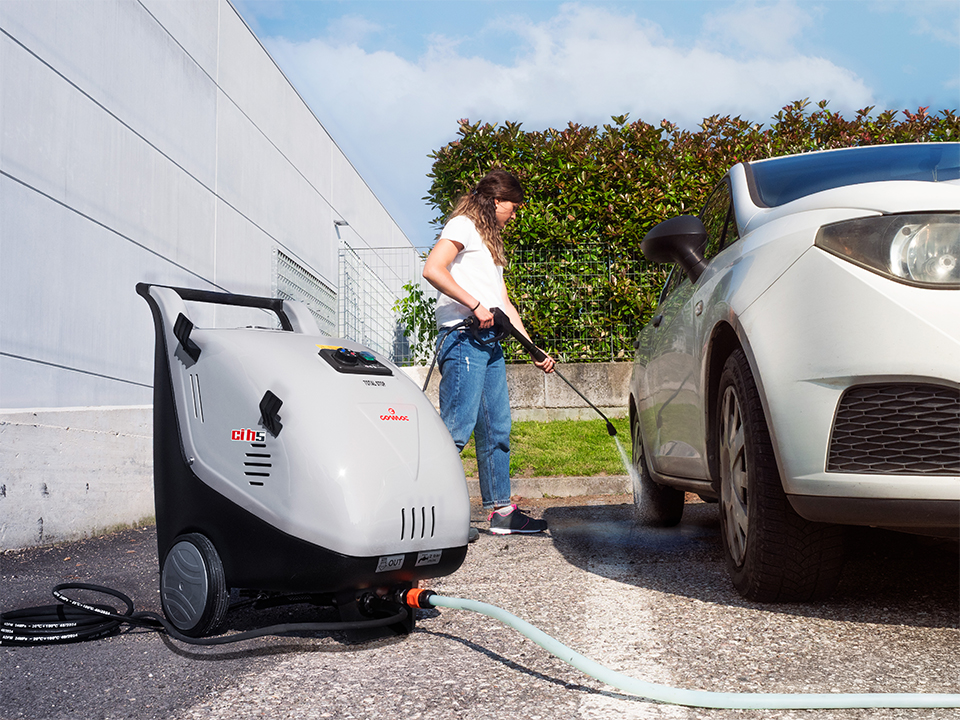
CI H5
For those looking for an effective solution to wash a car exterior and remove more difficult dirt, CI H5 is a professional hot water pressure washer that combines practicality with high performance. Hot water helps dissolve road residues, greasy dirt and stubborn contamination more easily on bodywork, wheels and exterior vehicle surfaces. Thanks to its compact design and ease of use, CI H5 is ideal for those who want to clean a car exterior accurately and professionally, even with frequent washing operations.
How to achieve more effective exterior car washing
Knowing how to wash a car exterior properly is not just about removing dirt, but also about protecting the bodywork, wheels and exterior surfaces over time. Using specific cleaning products and a professional pressure washer helps achieve more effective results while reducing the risk of streaks, scratches and premature wear.
If you want to improve your exterior car washing routine with reliable and high performance professional solutions, contact us for more information about the Comac professional pressure washer range.
Frequently asked questions
Modern automatic car washes are generally gentler than in the past, but rollers can still cause micro scratches on the car paint, especially if they are not properly cleaned and maintained. For this reason, people who want to protect the bodywork often prefer manual car washing or using a pressure washer, reducing direct contact with the vehicle surface.
How often you should wash a car exterior depends on how the vehicle is used and the conditions it is exposed to. In general, it is recommended to wash the car every two or three weeks. During winter, more frequent washing is important to remove salt, mud and road residues that can damage the bodywork and undercarriage. In summer, it is useful to quickly remove dust, insects and tree resin before they stick to the paintwork.
Resin, tar and limescale are among the most difficult contaminants to remove during exterior car washing. In these cases, it is recommended to use specific cleaning products while avoiding aggressive detergents or abrasive tools that could damage the paint. Before manual cleaning, a pressure washer can help remove surface dirt and better prepare the bodywork for treatment.
This post is also available in:


